


Why Plywood Choices Impact Kitchen Maintenance and Longevity
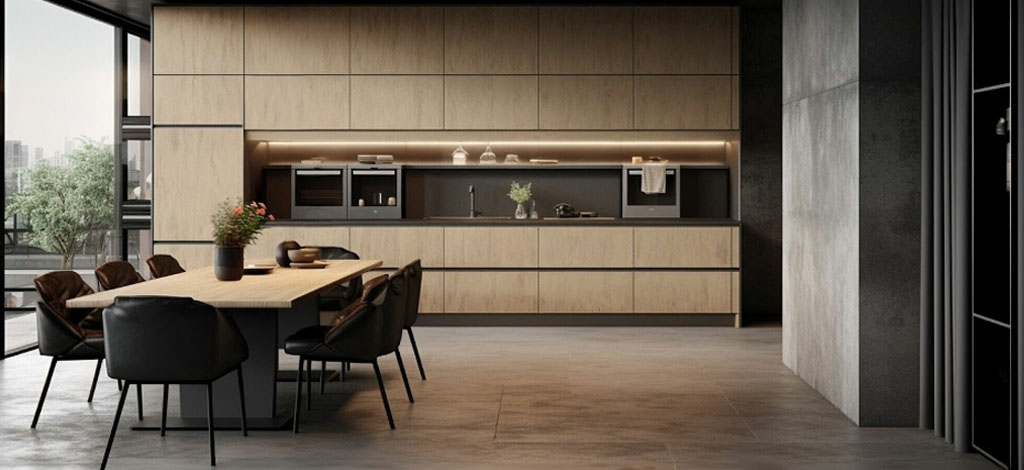
Kitchens put every material to the test. Steam, heat, splashes, and strong cleaners wear on kitchen surfaces day after day. If the substrate behind the doors is not suited to that environment, edges swell, fixings loosen, and you end up repairing the same cabinets again and again. The grade of plywood you choose decides how much attention your kitchen will need and how long it will last.
This guide keeps things practical by explaining how different plywood sheets cope under real kitchen conditions and helping you match the common zones to sensible choices so upkeep stays simple. Use it as a planning tool for your kitchen plywood design so you spend less time fixing problems and more time enjoying a kitchen that stays solid and easy to clean.
Related: Designing Modular Kitchens with the Best Plywood in India: Applications & Material Guide
How Kitchen Zones Decide Plywood Requirements and Maintenance
The grade of plywood you choose matters most when you look at where it will be used. Kitchens expose different areas to different levels of heat, steam, and water, and each zone needs the right material to keep maintenance predictable.
- Sink and Dishwasher Zones: Constant contact with water and occasional leaks make this the highest-risk area. Moisture-resistant or MR plywood swells quickly here, leading to edge repairs and replacements. Boiling waterproof or marine plywood is the safer choice, keeping carcasses stable and hinges aligned even when exposed to splashes or pooling.
- Cooking Zone (Hob and Oven Surrounds): Steam, oil vapours, and heat soften glue lines and warp cores if the substrate is not stable. Higher-density, well-bonded plywood holds screws better and keeps cabinet doors aligned, reducing the need for frequent hinge adjustments.
- Countertops and Working Surfaces: These take direct loads and see constant cleaning. A grade with good bonding quality and compatibility with durable finishes will resist delamination, staining, and surface lifting during heavy cleaning cycles.
- Dry Storage Units and Wall Cabinets: These zones face less risk, with only routine humidity to manage. Here, MR plywood works well if the edges are sealed and ventilation is provided. Maintenance is limited to simple wipe-downs.
- Corners, Shelves, and Cabinet Backs: These areas often get ignored, but poor bonding quality or mismatched finishes here can mean delamination, chips, and stains over time. Using the right grade across all visible and load-bearing surfaces ensures consistent performance.
Choose grades by exposure, not habit. Matching plywood grade to risk zone is the foundation of practical kitchen design. It ensures fewer edge repairs, stable fixings, and a longer service life with routine cleaning. A knowledgeable plywood supplier, like Mikasa Plywood, can help map each zone to the right grade so upkeep stays simple and predictable.
Match Grade To Risk And Reduce Upkeep
Now that the zones are clear, choose the grade that fits each one. This keeps day-to-day care simple and prevents the failures that force expensive repairs.
- Low Risk → MR Plywood
Use MR plywood for dry wall units, display shelves, and pantry interiors. Seal cut edges on the day of cutting and leave a small gap at the back for airflow.
- High Risk → Boiling Waterproof Ply
Use boiling waterproof plywood (Marine Blue in our range) in all zones exposed to water – along the sink run, around dishwashers, under-sink bases, and islands with plumbing. Band exposed edges, seal every cut-out, and if possible, add drip trays. Its high resistance to swelling keeps carcasses stable and reduces edge repairs.
- Heat Risk → Fire Retardant Plywood
In chimney surrounds or service shafts near appliances, a fire-retardant grade (Fire Guardian, Marine Blue plywood, or premium Sapphire plywood in our range) helps meet safety needs. Confirm that your chosen surface finish is compatible and allow for ventilation gaps.
Detailing That Extends Service Life
Correct detailing turns the right grade into a long-lasting installation. Small steps at the build stage prevent most repairs later.
- Seal Cut Edges Immediately
Every cut edge should be sealed immediately after cutting. Edge banding or a good sealer prevents water damage at sink and tap cut-outs – the most common spots for swelling.
- Use The Right Adhesives And Sealants
Always choose adhesives rated for the zone where they will be used. In wet zones, use products rated for moisture. The right glue line keeps laminates, veneers, or paint finishes firmly in place.
- Choose Corrosion-Resistant Fixings
Near sinks, dishwashers, and cooking zones, screws and fittings should resist rust. Pre-drilled pilot holes and proper spacing help keep doors aligned and stop edges from splitting.
- Provide Ventilation Gaps
Leave small gaps behind cabinets so air can circulate. This keeps plywood stable and prevents trapped moisture.
- Design Out Water Traps
Ensure panels are detailed correctly to avoid water pooling on flat surfaces. A slight slope, drip tray, or upstand under the sink helps contain leaks before they spread.
- Match Cleaners To The Finish
Strong chemicals damage coatings over time. Always use cleaners recommended for your laminate, veneer, or paint, and wipe spills quickly, especially near cut edges.
Follow these rules, and daily care becomes easier. Instead of dealing with swollen edges, you’ll have a kitchen that stays solid, durable, and simple to maintain.
Maintenance Load By Grade And Zone
Use this at-a-glance guide to plan routine care and spot issues early. It turns grade choices into clear maintenance tasks.
- MR Plywood In Low-Risk Zones
Typical care: Light wipe-downs during weekly cleaning.
Checks: Inspect edges once a year. Reband or reseal if chips or hairline cracks appear.
Watch for: Swelling where edges were left unsealed or airflow is blocked.
- Boiling Waterproof Ply/ Marine Plywood In Medium and High-Risk Zones
Typical care: Normal cleaning after cooking and dishwashing, plus wiping spills promptly.
Checks: Inspect exposed edges, sink cut-outs, and penetrations for taps and waste every three months. After any plumbing work, confirm seals and drip-tray details are intact.
Watch for: Lifted finish at the front edge of the sink run or near the dishwasher.
- Fire Retardant Plywood Near Heat Sources
Typical care: Gentle degreasing with finish-safe products.
Checks: During appliance servicing, check fixings, ventilation gaps, and finish integrity.
Watch for: Heat staining or brittle coatings that suggest the wrong cleaner or poor ventilation.
Planning maintenance this way keeps plywood sheets performing as intended and reduces unplanned repairs over the life of the kitchen.
Cost of Ownership: How Grade Choice Changes Maintenance and Lifespan
Price per sheet is only part of the story. The plywood grade you choose sets the pace of maintenance and the point at which you need replacement.
- Fewer Reseals In Splash Zones. Waterproof ply around the sink and dishwasher usually means fewer edge repairs over the year than MR plywood. That saves labour and keeps units looking clean.
- Fewer Door Adjustments. Boards with better dimensional stability and screw holding keep hinges aligned for longer. You spend less time tweaking doors and replacing worn fixings.
- Leak Resilience Under The Sink. Marine plywood on the cabinet base can prevent a small leak from becoming a full rebuild. It tolerates brief pooling better and buys time to fix the problem.
- Surface Finish. A well-bonded substrate with a smooth sanded surface reduces the chance of finishes (like paint, veneers, or laminate) lifting when you use strong cleaners. That lowers the rate of patch repairs on front edges and cut-outs.
- Longer Replacement Cycles. Correct grade selection extends service life in each zone, which is why the cheapest option up front can cost more over five to ten years.
If you want the best plywood in India for long-term value, ask your plywood supplier how each grade will affect routine care in your kitchen zones, not just how much the plywood sheets cost today.
Supplier Questions That Prevent Surprises
Good maintenance outcomes start with clear information. Prepare a standard set of questions ready for plywood suppliers. This makes it easier to compare responses and spot gaps in what’s being offered.
- 1. Which Grade Fits Each Zone And Why?
Ensure the supplier specifies how each grade applies in practice – MR for low-risk dry units and marine plywood for potential standing water, and advice on fire-retardant use around appliances.
- 2. What Are The Bonding And Emission Details?
Ask about the adhesive used and the panel’s emission rating, since both influence durability, finish compatibility, and indoor air quality.
- 3. What Edge Protection Do You Recommend On Site?
Confirm banding options, sealers, and the steps for tap and waste cut-outs. Ask for a short method statement.
- 4. Will You Provide A Sealed Off-Cut?
A small piece with the recommended edge treatment lets you test finish adhesion and cleaning products before you install.
- 5. What Is The Warranty, And What Voids It?
Look for clear terms that match everyday kitchen use, not fine print that’s easy to break.
- 6. What Support Is Available If Something Goes Wrong?
Clear points of contact and after-sales guidance often matter more than a small price saving.
Suppliers who answer these questions well are usually the ones you return to. That is how you narrow choices to the top plywood brand in India, like Mikasa Plywood, for your needs and avoid maintenance surprises later.
Related: Behind the Laminate: Why 19mm Marine Plywood Is the Hidden Hero in Modern Kitchens
Common Mistakes That Shorten Kitchen Life
- Using The Wrong Grade In The Wrong Zone
MR plywood in constant splash, or standard boards under the sink, leads to swelling and repairs. Match risk to plywood grade.
- Leaving Cut Edges Unsealed
Every sink cut-out, tap hole, and service notch must be sealed on the day it is made. Unsealed edges are the fastest path to damage.
- Wrong Adhesive Or Sealant
Interior glues in wet areas let finishes lift and trap moisture. Use wet-area compatible products and follow the manufacturer’s instructions.
- No Ventilation Behind Carcasses
Tight to the wall traps moisture. Leave a small gap, so cabinets can dry after cleaning or cooking.
- Poor Fixings And Over-tightening
The wrong screws split edges and loosen with use. Choose corrosion-resistant fixings and pre-drill pilot holes.
- Aggressive Cleaners On The Wrong Finish
Some solvents attack coatings and edges. Use cleaners approved for your laminate, veneer, or paint.
- Skipping Samples And Data
Ordering plywood sheets without a sealed off-cut or a technical sheet leaves you guessing about performance and care.
About Mikasa Plywood
Mikasa Plywood, from Greenlam Industries, offers a wide range of high-quality plywood that you can match to each kitchen zone. Choose MR+ for dry wall units and pantry carcasses, Marine Blue for under-sink bases or areas that can see standing water, and Fire Guardian near heat-risk locations such as chimney surrounds or service shafts, or consider Sapphire plywood, our premium plywood with fire-retardant properties and lifetime warranty. For wide doors and large facades, the MR+ Blockboard and Marine Blue Blockboard options help reduce sag and ease finishing. If you want long service life with predictable upkeep from some of the best plywood in India, ask for samples, a sealed off-cut, and the technical data sheet for the exact product you plan to use. Reach out to us today on our toll-free number 1800 833 0004 or email us at info@mikasaply.com. You may also visit our contact us page.